Major projects in the sector
- Desalination of sea water
-
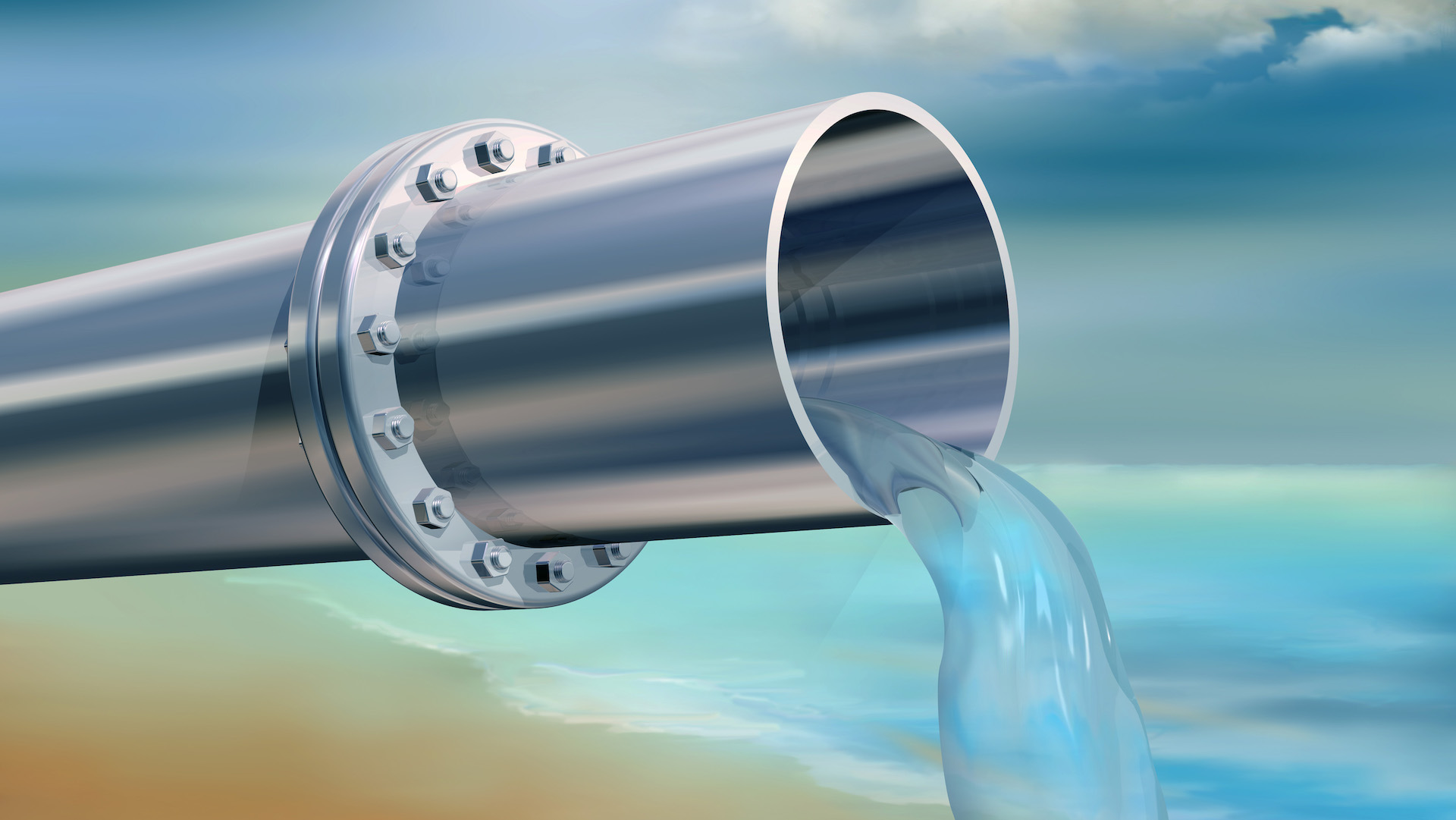
This is a project that is part of the development program of the Dakhla Oued Eddahab region.Launched at the beginning of 2016 by His Majesty, the objectives are the creation of a new dynamic of development and employment based on competitive regional poles, and in particular the promotion of sustainable development and the improvement of the connectivity of the provinces of South.The allocated budget is 1.98 billion dirhams. An irrigation network is expected over approximately 115 km to supply 5000 hectares of arable agricultural land. They are operated by investors under PPP (Public-Private Partnership) contracts launched by the Agence pour le Développement Agricole.The station, with a capacity of 90000 m3/day, is located in the commune of Bir Anzarane, at a distance of one kilometer from the coastline and about 130 km north of the city of Dakhla. This irrigation project aims to desalinate seawater in Dakhla, as well as create agricultural prospects and more 10000 jobs. - Pilot project of 25,000 hectares of agricultural crops
-
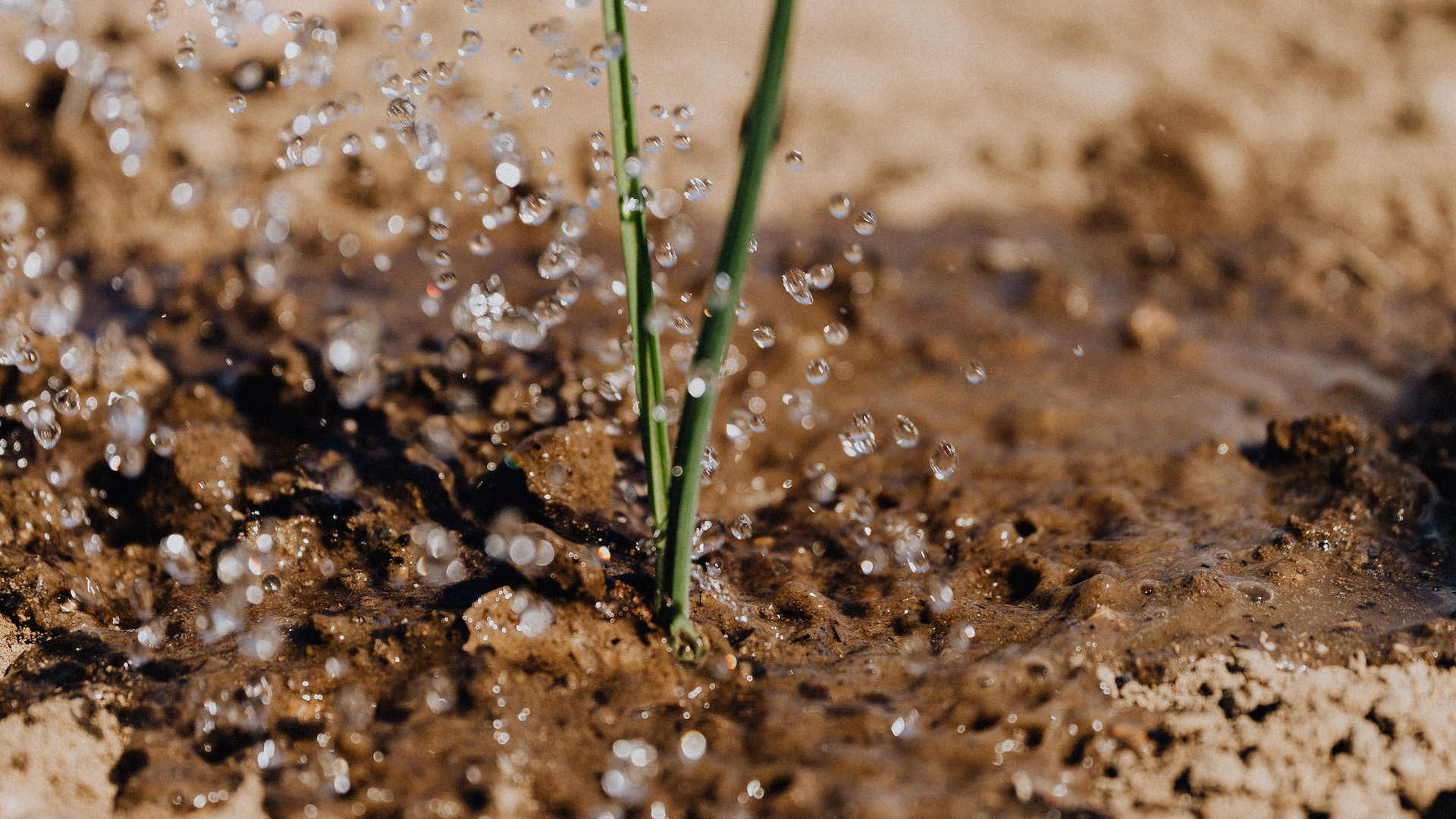
An international group of scientists, founded by the Hungarian professor Jozsef Steier and named
« Trois S », has developed a project to fight against climate change in the arid regions of Morocco and promote agriculture.Therefore, a pilot site of 25000 hectares was selected in the region to carry out this project at a total cost of 625 millions of dollars. This team brings together around fifty international scientists who aim to make the desert a “green space”.Specific measures and technological means are planned for the implementation of this project such as🔴 Reforestation
🔴 Artificial rain by laser
🔴 Moisture condensation
According to Professor Steier “this project is also in line with the objectives set out in the plan
Maroc-Vert and could even participate in its acceleration”. - Increase in production levels
-
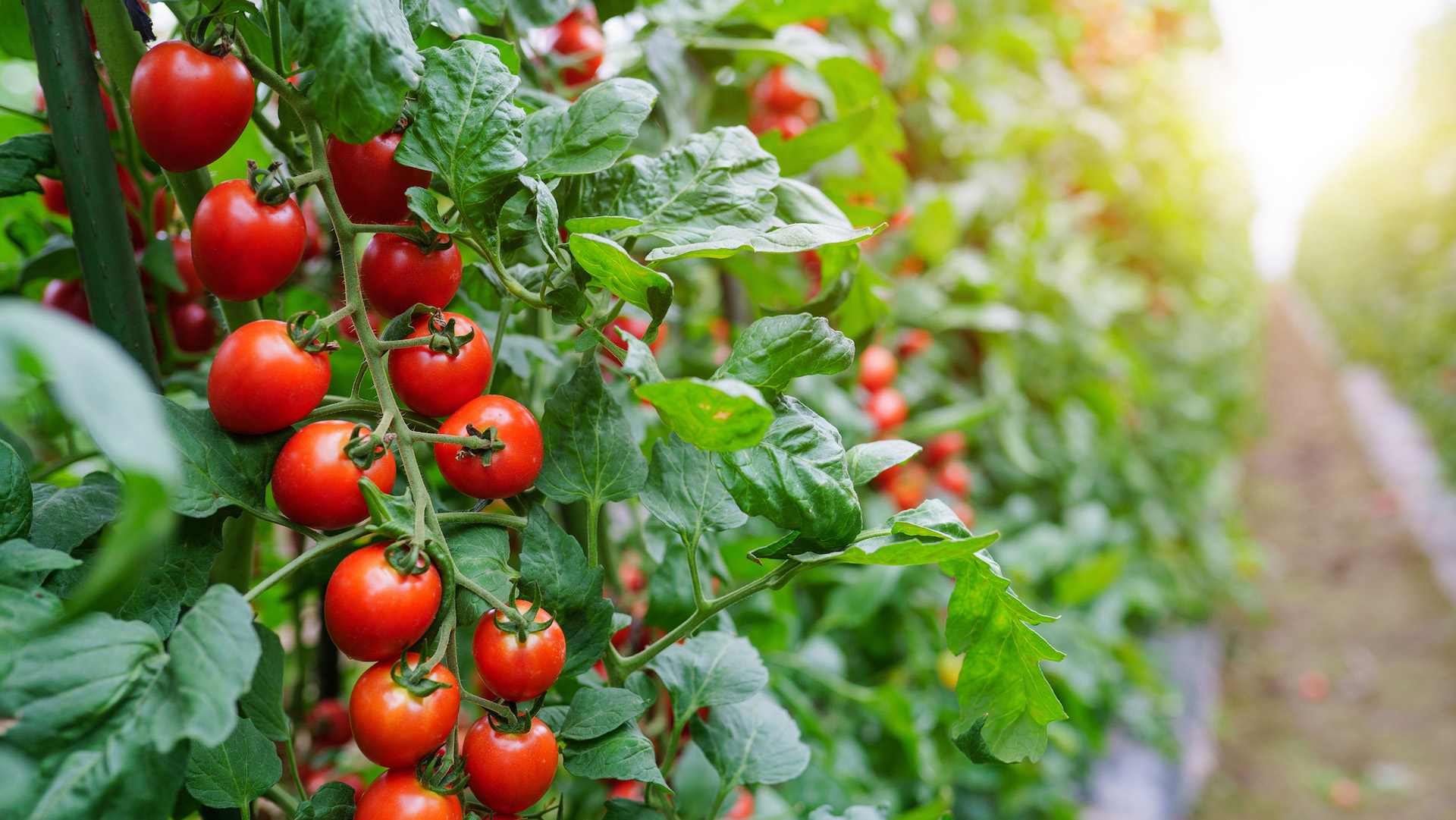
A program to improve agricultural production was created with the objective of achieving two platforms.One for research and agricultural development, and the second to promote market gardening.These two platforms have a budget of 60 million dirhams. - Improved irrigation water recovery levels
-
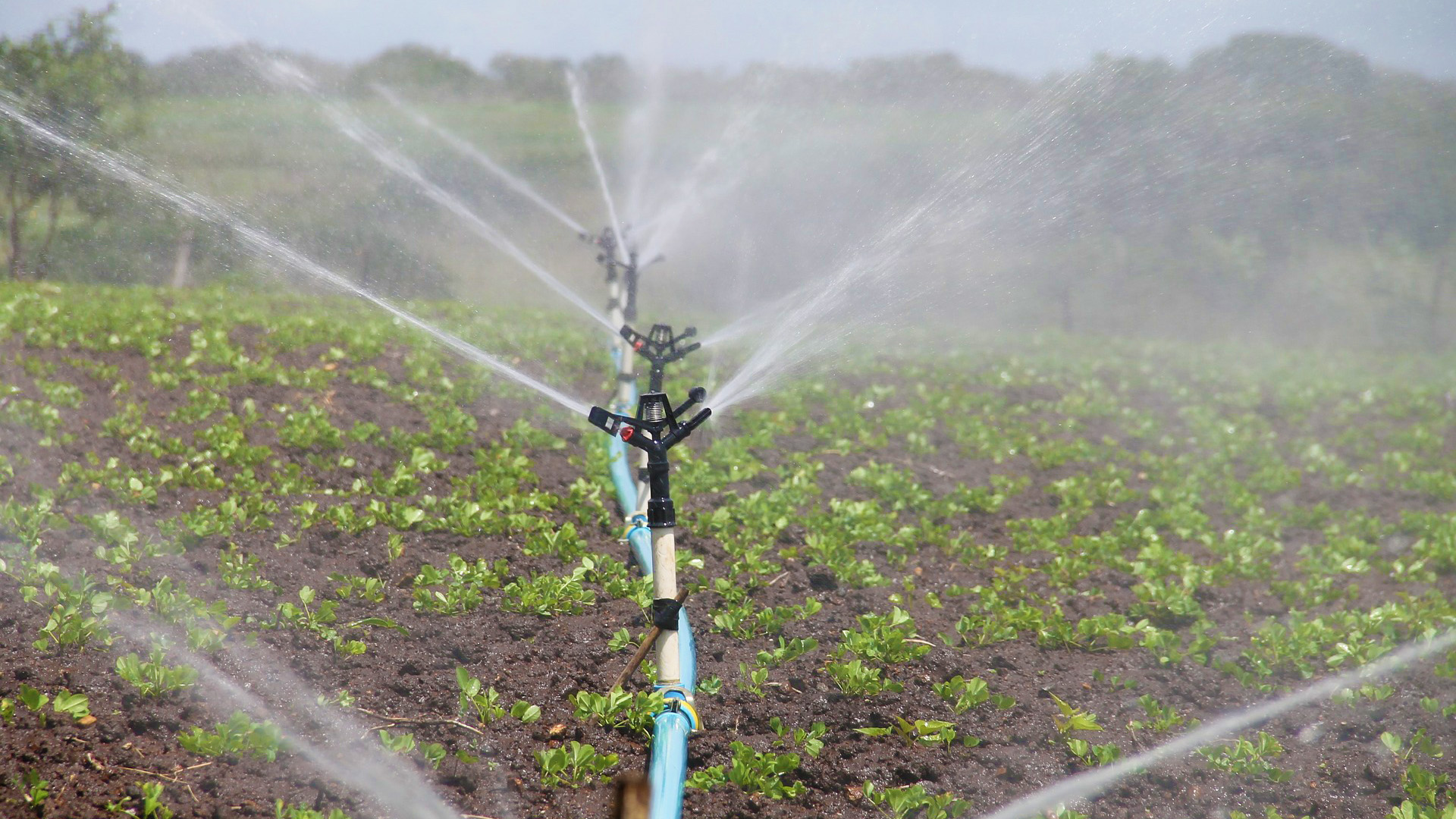
A budget of 250 million dirhams will be used to improve the distribution of drinking water facilities through the seawater desalination plant.This requires rehabilitation of hydro-electromechanical equipment at the station level, with a flow rate of 110 liters per second. -
National strategy
« Green Generation 2020-2030» -
"Green Generation" a strategy that should allow Moroccan agriculture to become much more efficientIn a context of the expiry of the Green Morocco Plan strategy and thanks to the voluntarism of His Majesty King Mohammed VI, Morocco is continuing its agricultural revolution via a new Anglophone agricultural strategy: GENERATION GREEN which aims to consolidate the achievements of the ten years, while giving priority to the human element, to encourage an agricultural middle class able to play an important role in the socio-economic balance of the rural environment. The idea is to implement new governance and provide the sector with modern means.Launched in February 2020, the "Green Generation 2020-2030" strategy is the government's current program for the agri-food sector. It is based on several main strategic directions🔴 The priority to the human element and to the evolution of a new generation of agricultural middle class
🔴 The advent and support of a new generation of young entrepreneurs
🔴 The creation of a new line of agricultural organizations
🔴 The creation of new support mechanisms
🔴 The sustainability of agricultural development by consolidating the performance of agricultural value chains (with a view to doubling exports and agricultural GDP by 2030)
🔴 The modernization of wholesale markets to improve the distribution of products
This strategy is also based on strengthening the resilience and sustainability of agricultural development. But also on improving quality and the capacity for innovation.This strategy aims to enable 400000 families to integrate the agricultural middle class, in addition to creating a new generation of young entrepreneurs.The implementation of the latter leads to an annual increase in the sector's budget of nearly2,5 % starting 2020.